Table of Content
However, you must certify your intent to occupy or reoccupy that property upon completion of the repairs or improvements. VALoans.com is not affiliated with or endorsed by the VA or any govt. In most cases, 60 days is the most a VA borrower can delay occupancy without making prior arrangements with their VA lender, according to the handbook. If the veteran borrower can’t occupy the home immediately, the VA may allow certain family members to meet the requirement on their behalf. If the civilian spouse is keeping the home, it’s possible to refinance the Veteran off the VA loan using a conventional refinance.

The VA requires that the borrower move into the home within 60 days after the VA loan closes. A VA approved lender; Not endorsed or sponsored by the Dept. of Veterans Affairs or any government agency. Customers with questions regarding our loan officers and their licensing may visit the Nationwide Mortgage Licensing System & Directoryfor more information. Remember, the VA doesn’t expect borrowers to know the VA’s lender handbook inside and out.
You may also be determined eligible if:
A spouse can often fulfill the occupancy requirement in these situations. A “particular future event (…) will make it possible for the veteran to personally occupy the property” at a specific future date. Your VA loan entitlement allows you to access your VA loan benefits. Once you purchase a home with a VA loan, your entitlement generally remains with that home until the debt is paid in full. You have several options when it comes to handling the property after divorce.
Depending on your unique situation, there may be an exception or a workaround. Borrowers may need to show that they’ll be occupying the new home sometime in the near future, or that they can’t live with their family for reasons beyond their control. Whether you want to purchase a home or refinance, the best VA lenders will consider your needs while adhering to the VA’s standards. You’ll sign one form when you apply for your loan, then sign the other at closing.
Eligibility Requirements
How to secure a VA loan and all of the benefits that go along with it in an easy, step by step guide for active duty... If you are deployed after purchasing your home, your occupancy status is not affected by the deployment. You are considered to be in a “temporary duty status” and are able to provide a valid intent to occupy certification.

There are no VA police going door to door verifying the occupancy rule was met, although rare a lender can order an occupancy check if they want to. We've created these handy tools to help guide you through the VA loan process. Get the best deal on a VA home loan comparing the Nation's most trusted lenders side-by-side.
Spouses and Occupancy
In addition, service members need to make clear the specific date occupancy will occur and the specific event that will make occupancy possible. For Interest Rate Reduction Refinancing Loans , or VA Streamline loans, the Veteran need only certify that they previously occupied the property as their home. A VA Cash-Out refinance will require the borrower to certify occupancy to be eligible for refinancing. In instances where your job keeps you from home for extended periods, the VA is fairly flexible. You don't need to be at your house every day to satisfy occupancy requirements, but you are expected to be there for a reasonable amount of time.
There are also some unique situations where the spouse of a veteran can fulfill the requirement if employment issues are making reasonable occupancy difficult. Essentially, homebuyers have 60 days, which the VA considers a “reasonable time,” to occupy the home after the loan closes. Typically, homebuyers have 60 days from closing to occupy a home purchased with a VA loan. However, the VA does allow homebuyers in certain situations to go beyond the 60-day mark, potentially extending up to one year.
Some websites and blogs about VA loans perpetuate myths about VA home loans whether by accident or ignorance of the rules. There must be “no indication that the veteran has established, intends to establish, or may be required to establish, a principal residence elsewhere”. We recommend speaking with your loan servicer before renting your VA loan home to someone else. But both single and married service members can provide what the VA considers “valid intent” to occupy when they’re deployed from their permanent duty station. This provides a degree of breathing room for homeowners who are still actively serving our nation both at home and abroad. Generally, the VA does not make exceptions if you want to set an occupancy date for more than 12 months after your loan closes.
However, if there is a cause to question occupancy, it is up to the lender to determine if the VA occupancy rule is fulfilled. First, the property you purchase with the VA loan must be a primary residence. Secondary homes and any other investment properties don’t qualify for a VA home loan. Also, you must move into the new home within a reasonable time frame, typically within 60 days of closing on the house. The VA allows for a spouse to fulfill the occupancy requirement for an active duty military member who is deployed or who cannot otherwise live at the property within a reasonable time. Veterans and active duty personnel who secure a VA loan have to certify that they intend to personally occupy the property as a primary residence.
Under the VA loan rules, some perceive a grey area around the issue of buying a home, living in it for a few years, then moving on and renting it out. There is much in the above statement that is not entirely true, and some that is not true at all. VA Pamphlet 26-7, Chapter 7 does state that any VA borrower using a VA loan benefit must certify occupancy, but there is no prohibition on allowing family and friends to live in the home. But some buyers may find that two months isn’t enough time – especially those on active duty or preparing to separate from service. Fortunately, the VA does allow homeowners in situations like these go beyond that 60-day mark, although occupancy at a date beyond one year is generally unacceptable. However, if you're considering a multi-unit property, the VA's occupancy requirements may allow it.
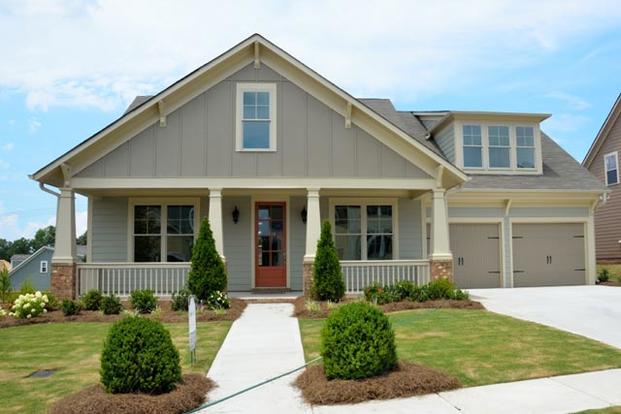
Federal law requires VA borrowers to legally certify that they intend to occupy their home as their primary residence. A VA loan assumption after a divorce is possible as long as the civilian meets the lender’s requirements in terms of credit and income. As the Veteran, you would then be released from any further responsibility for the property. A VA cash-out refinance requires a new appraisal, a credit check, and for the borrower to certify occupancy.
The VA occupancy rules do apply for certain refinance loans, but not all. A VA cash-out refinance mortgage does require a new appraisal and a credit check. Also, it requires the borrower to certify occupancy for the new loan. VA loan rules also permit non-VA borrowers to apply with the veteran for a “joint loan”. The military member’s VA loan entitlement is charged for the veteran’s share of the mortgage only. Any non-VA borrower on such a joint loan is not required to meet the occupancy requirements because the non-VA borrower isn’t using the VA loan benefit and is therefore not subject to the same rules.


No comments:
Post a Comment